Hope Heals. Resilience Rises.
Helping individuals, families and
communities heal and grow
stronger – together.
Hope is Possible
Hope Beyond Hurt helps individuals, families, schools, and communities understand trauma, build resilience and create environments where people can thrive.
Healing Happens
In Connection.
The Path to Resilience
Adversity and chronic stress can affect health, learning, relationships, and well-being.
The good news is that positive experiences, supportive relationships, and safe
environments help people heal, grow, and thrive.
Understanding The Impact of Trauma
The Power of Positive Experiences
Trauma and chronic stress can affect health, learning, and relationships across the lifespan.
Positive Childhood Experiences (PCEs)
help buffer adversity and support resilience.
Stress and adversity can affect how people think, learn, connect, and cope.
Safe, stable, nurturing relationships help children and adults feel supported and valued.
Toxic stress may impact emotional regulation, physical health, and a sense of safety and trust.
Feeling safe, connected, and included improves long-term mental and physical well-being.
Childhood adversity is linked to increased risk for mental health challenges, chronic disease, and substance misuse later in life.
Positive experiences help build confidence, emotional strength, healthy relationships, and hope for the future.
Trauma can shape outcomes — but it does not define a person’s future.
Healing happens through connection, supportive communities, and opportunities to thrive.
Creating communities where healing is possible and resilience can thrive.

Positive Experiences Change Outcomes
Adversity Is Not Destiny
Research on HOPE — Healthy Outcomes from Positive Experiences — reminds us
that resilience grows when individuals, families, schools, and communities intentionally
create environments where people feel safe, connected, supported, and empowered.
Together, we can move from trauma awareness to healing-centered communities
where all people have the opportunity to thrive.

Relationships
Healthy relationships create the foundation for healing, resilience, and belonging.
Supportive relationships with trusted adults help people feel safe, valued, and loved.
Positive relationships include:
- Having someone to turn to for support
- Feeling understood and accepted
- Experiencing encouragement and care
- Developing healthy, stable connections

Environments
Safe, Equitable & Stable Environments help people thrive as they live, learn, and play.
Safe and nurturing environments help people develop trust, stability, and a sense of security.
Positive environments include:
- Physically and emotionally safe spaces
- Predictable routines and stability
- Equitable access to opportunities and support
- Environments where people feel welcomed and respected
Engagement
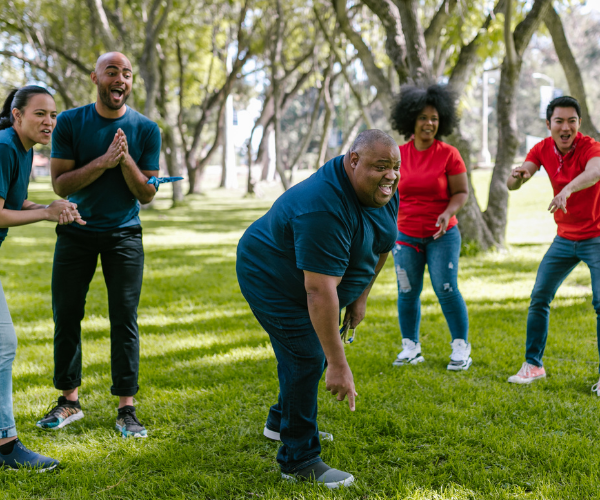
Opportunities for social and civic engagement help people develop a sense of belonging and connectedness.
Meaningful opportunities to participate, contribute, connect, find purpose and community belonging.
Positive engagement includes:
- Participating in school, sports, arts, faith, or community activities
- Feeling included and connected
- Having opportunities to use strengths and talent
- Contributing to something meaningful
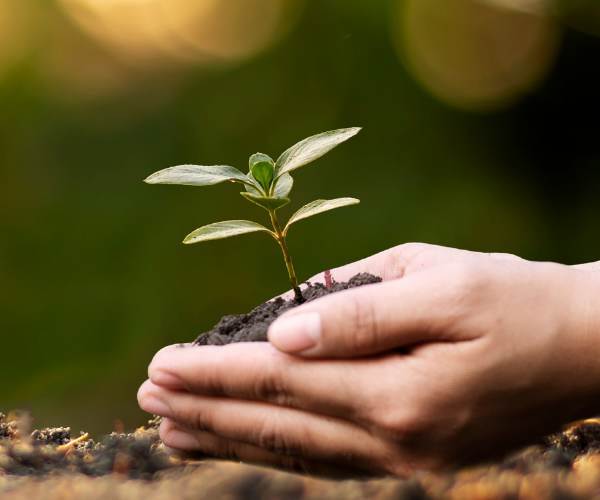
Emotional Growth
Opportunities for emotional growth help people feel supported through difficult events and emotions.
Emotional growth opportunities develop self-awareness, coping skills, confidence, and a sense of purpose.
Positive emotional growth experiences include:
- Learning how to manage emotions
- Developing problem-solving and coping skills
- Building confidence and independence
- Feeling hopeful about the future
Hope Grows Through Positive Experiences.
When individuals, families, schools, organizations, and communities intentionally create opportunities for connection, safety, engagement, and emotional growth, healing becomes possible and resilience can flourish.
Building Resilient Communities
Positive experiences help children, families, and communities build
resilience. Small moments of connection, support, safety, and
belonging can make a lasting difference.
A Caring Adult
Having at least one trusted, supportive adult helps children feel safe, valued, and connected.
Why It Matters
Supportive relationships help buffer stress and strengthen resilience.
Opportunities to Grow
Opportunities to explore strengths, interests, and creativity help build confidence and hope.
Why It Matters
Positive experiences support emotional growth and self-esteem.
Feeling Like You Belong
Feeling accepted and included supports emotional well-being and healthy development.
Why It Matters
Connection and belonging reduce isolation and promote resilience.
Community Connection
Communities that foster support, inclusion, and connection help people thrive.
Why It Matters
Healing happens through relationships and supportive environments.
Predictable Routines
Consistent routines help children and adults feel safe and secure.
Why It Matters
Predictability supports emotional regulation and reduces stress.
Being Heard
Feeling listened to and respected helps people build trust and emotional safety.
Why It Matters
Supportive communication strengthens relationships and healing.
Upcoming Events